Background
TL;DR We created new features, not enough users were using them
New Tools
Around 2019, the company began to put more emphasis on the platform’s Campaign Management tools.
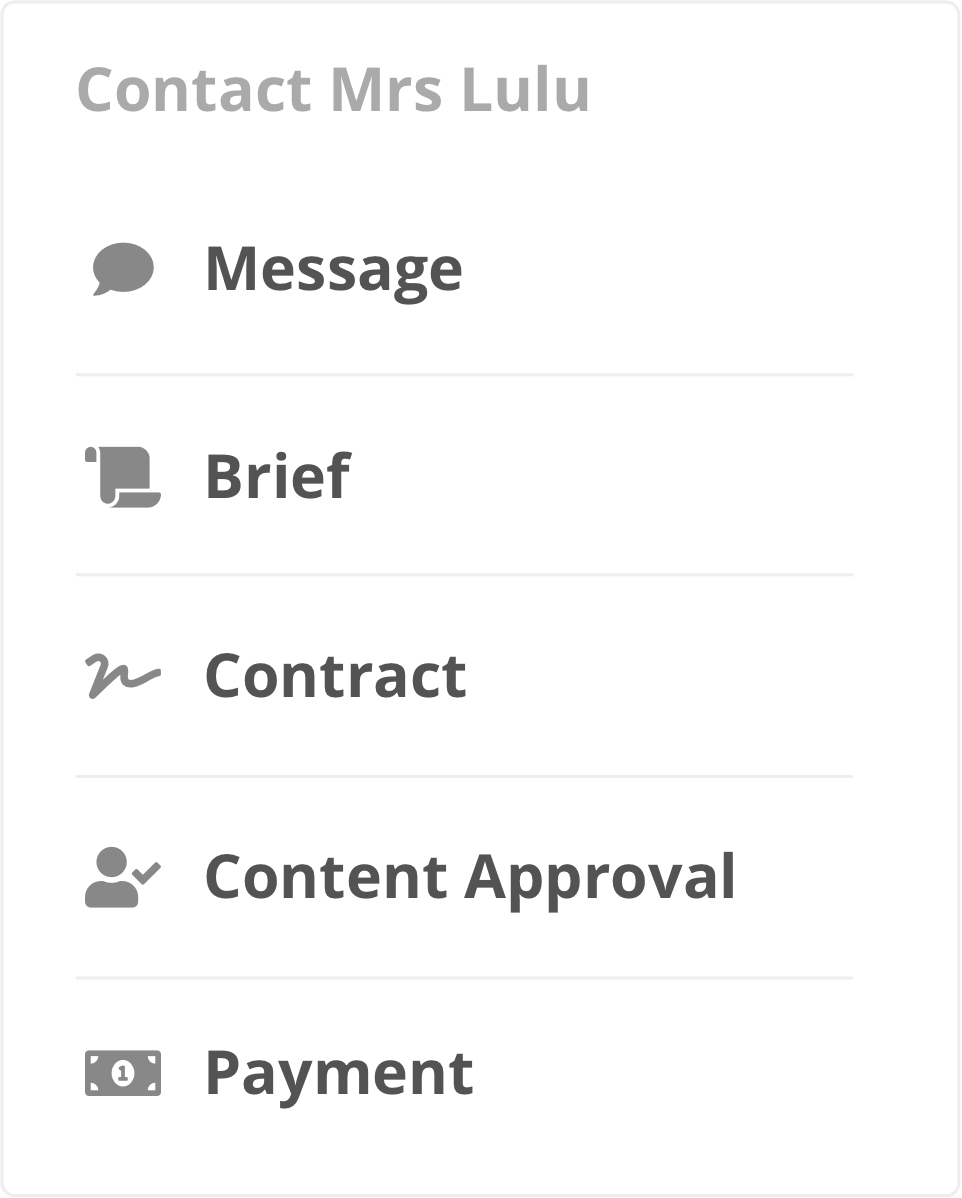
I designed and implemented features such as Campaign Brief, Content Approvals, Influencer Payments, Mass Emailing.
New Step In The Flow
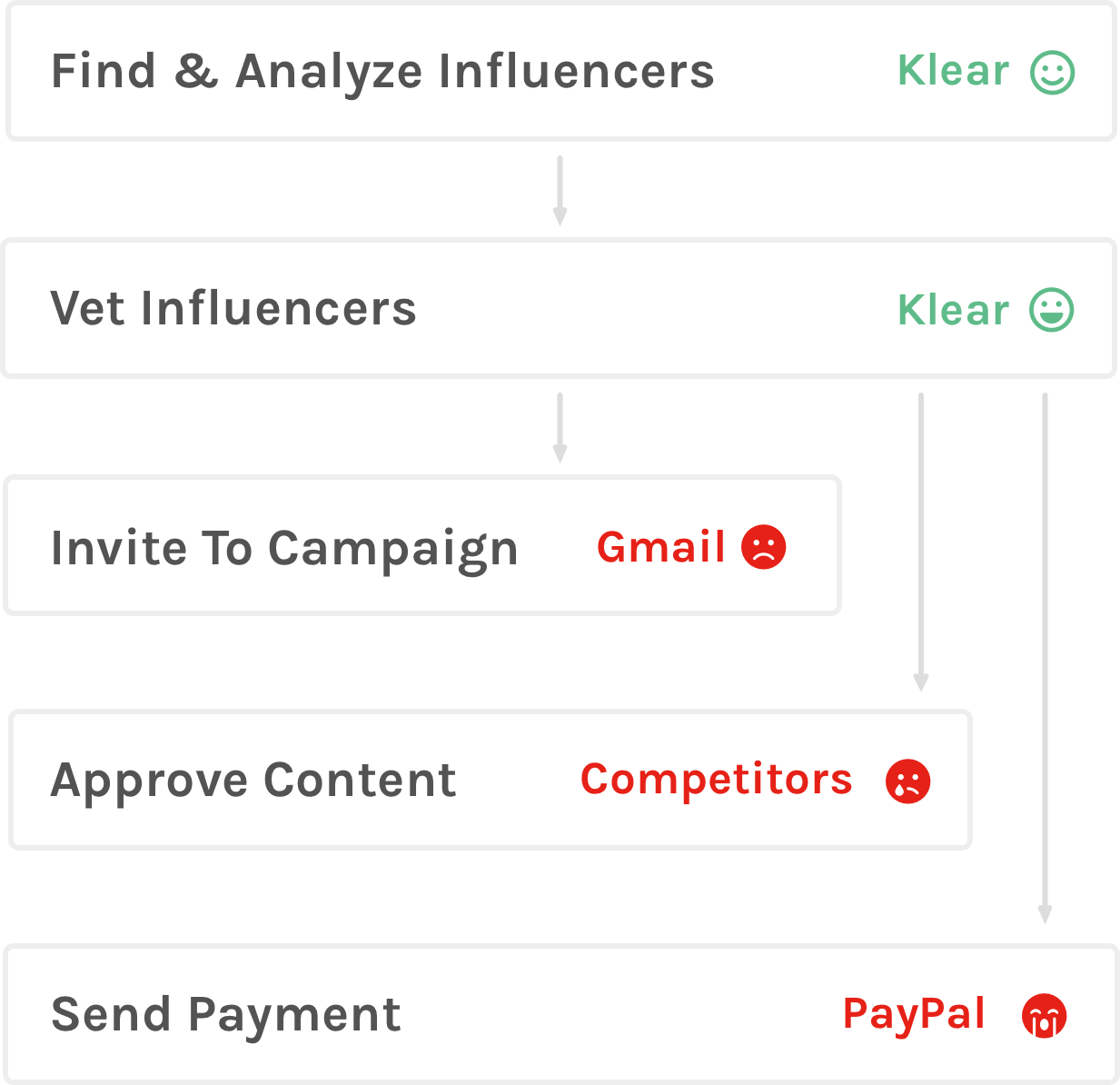
Previously brands and agencies could only find and vet influencers. These new features introduced another step to the platfrom workflow, allowing users to also manage influencers.
The Problem
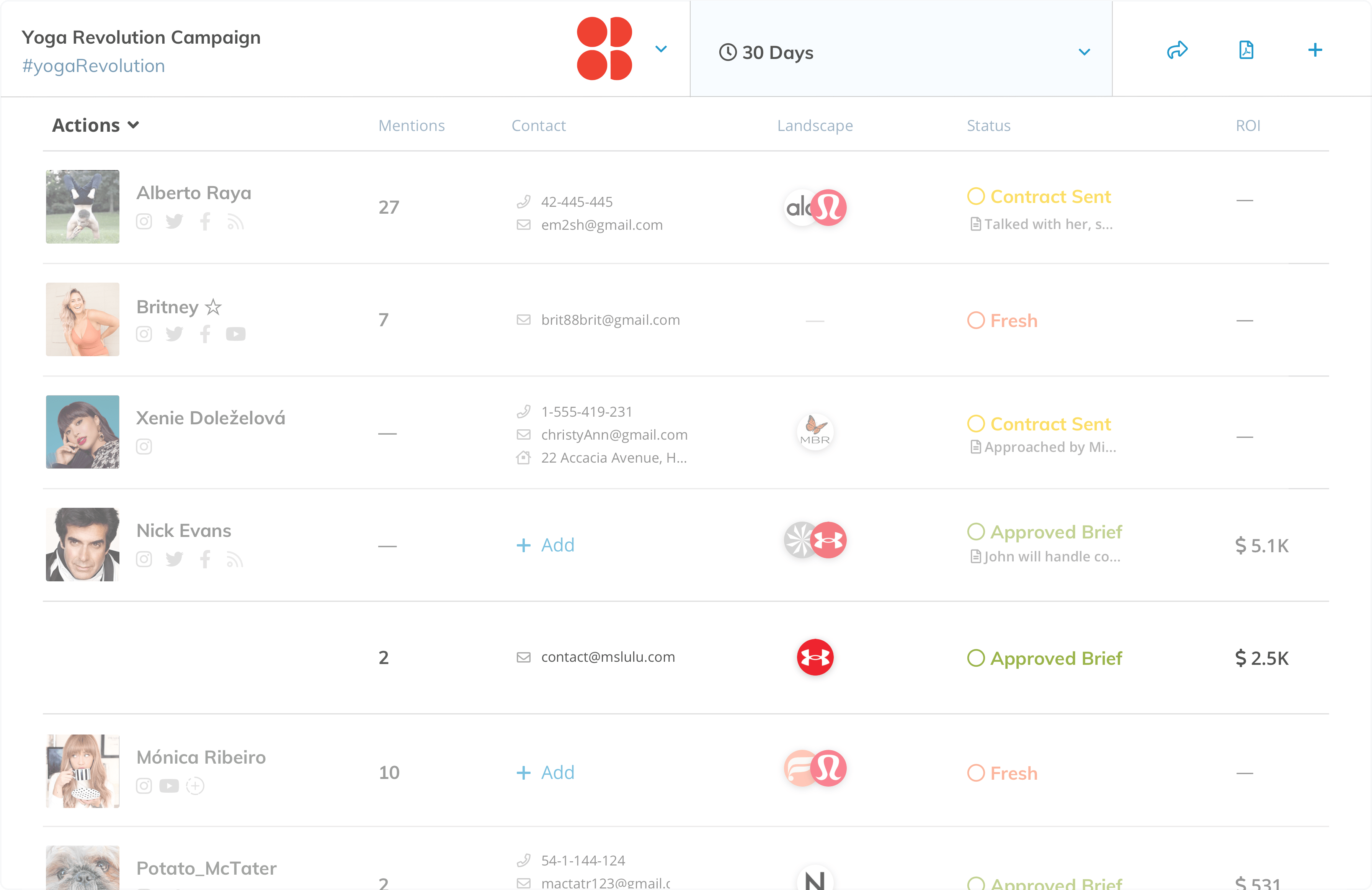
The campaign solutions we provided were based on a CRM table interface, which wasn't planned for these new management features.
Our customers weren't using the new features. The users would manage the campaigns on their own. Some would even turn to our competitors.


Why It Didn't Work
TL;DR The CRM table provided only a part solution for Campaign Management.
It Wasn't Convenient
Managing a social campaign is based on daily communication between the user - the agency marketer, and the influencers. Not ideal with the current CRM.
Too Rigid
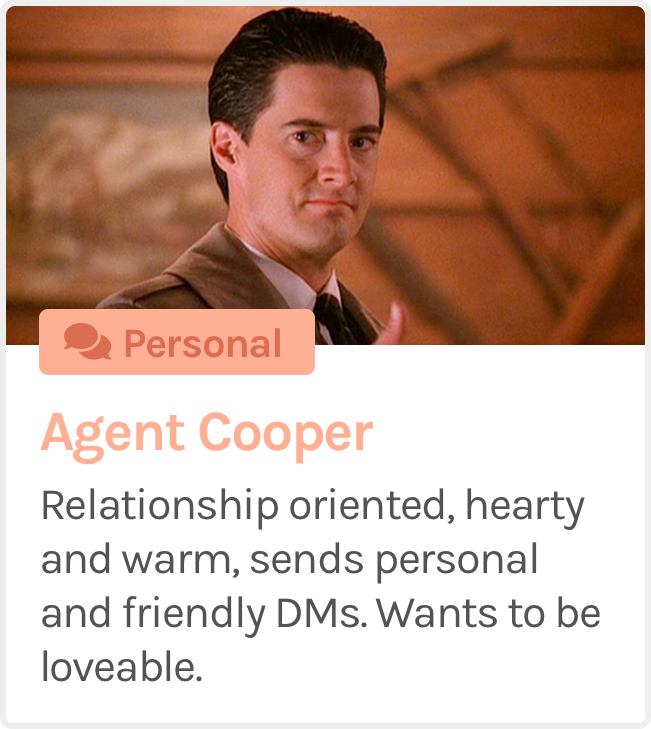
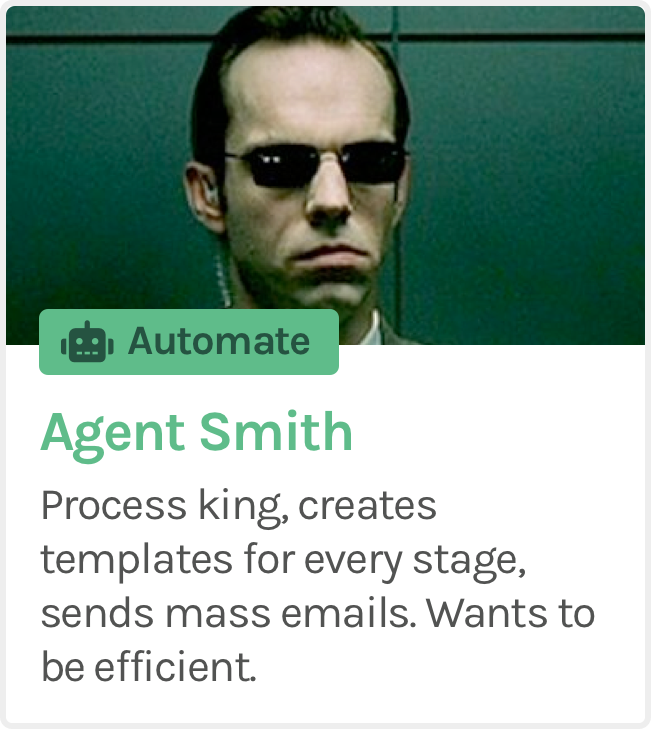
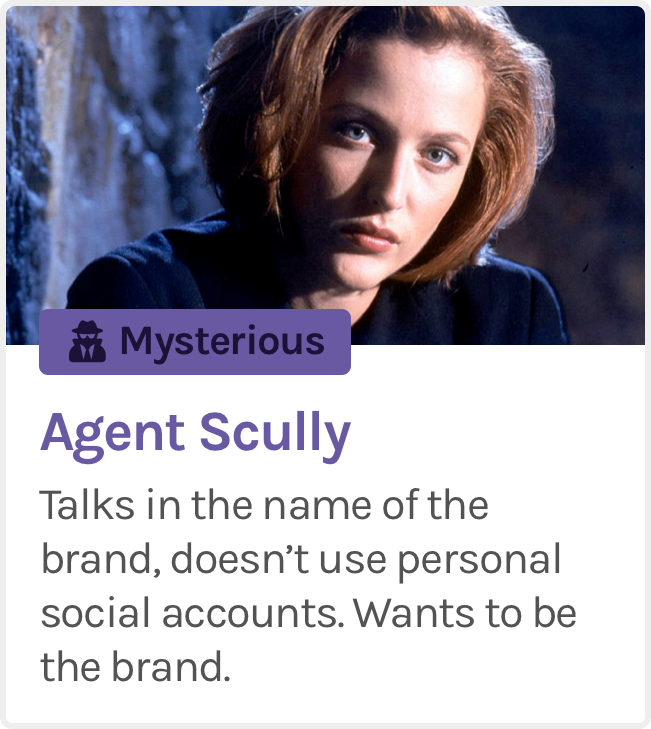
The users have different personas and styles of communication. Some like sending mass emails, some send short personal DM. We should support all styles.
One Trick Pony Solution
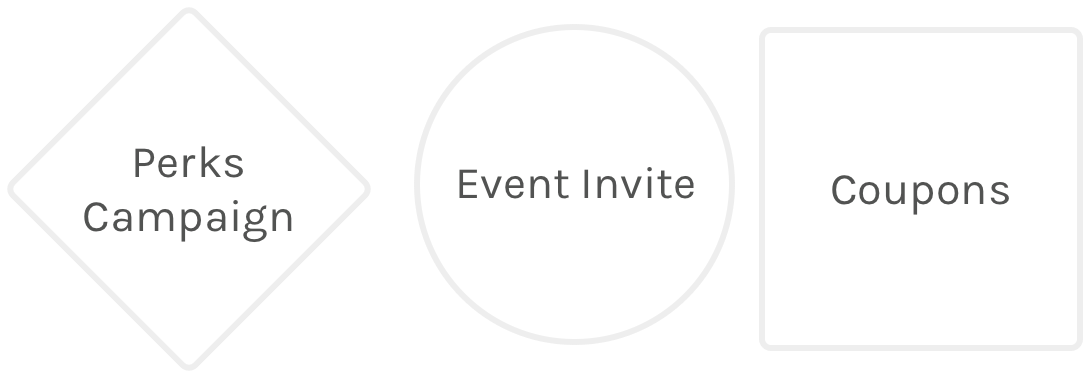
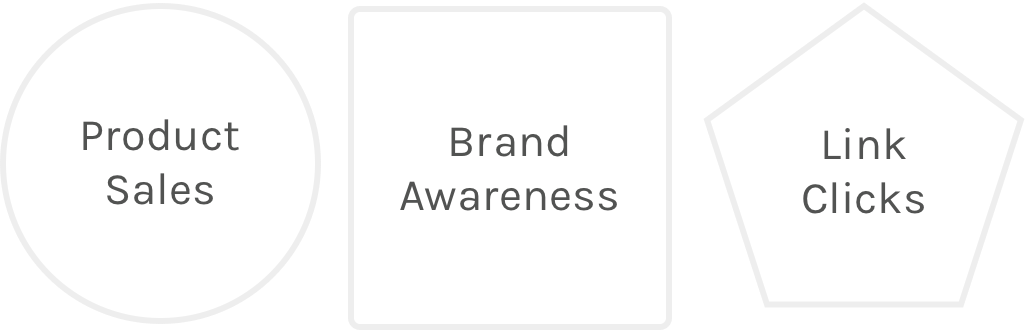
The campaign usecases are varied. Product sales, events invitation, sending perks, each demands different solution. CRM offers an over-structured process.
Inefficient
Switching between different services and platforms wastes time and causes errors. Users shouldn't seperate their workflow in order to complete all tasks.
Agencies Marketers Persona 3 Distinctive Types
Campaign Type Examples Great Variety
Work Flow Users Leave The Platform
Goals
TL;DR Create an addition to the CRM that the clients will looove.
1
A Whole Solution
Create an A to Z campaign management flow. A product that will allow a complete, yet personal process - don't lose sight of the influencers.
2
Lose The Burden
Managing multiple methods of communication is a burden. Allow the clients to centralize every contact they make with influencers to one hub.
3
Don't Interfere
Don’t force the clients to change the way they work.
Create a solution without changing their method of communication with influencers.
Playing With Several Approaches
TL;DR Chat FTW.
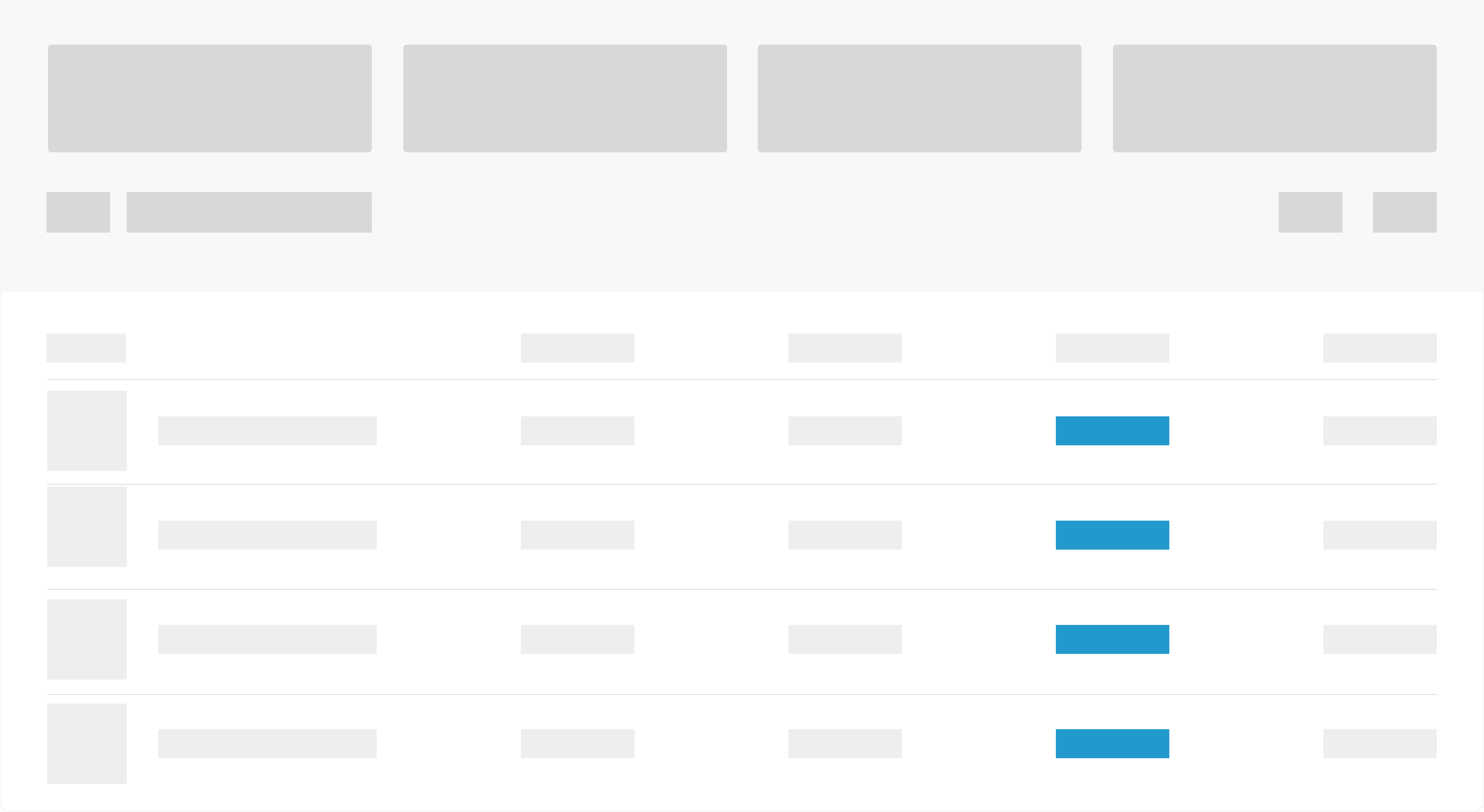
Dashboard
Adding a structured communication flow to the CRM. The influencers list will be accompanied by a button bar dashboard and KPIs. This is a popular solution among our competitors.
Pros:
Enterprise/big agencies oriented. Keeps everything in a single interface.
Cons:
Too rigid for many usecases. Mass messaging first. Unpersonal.
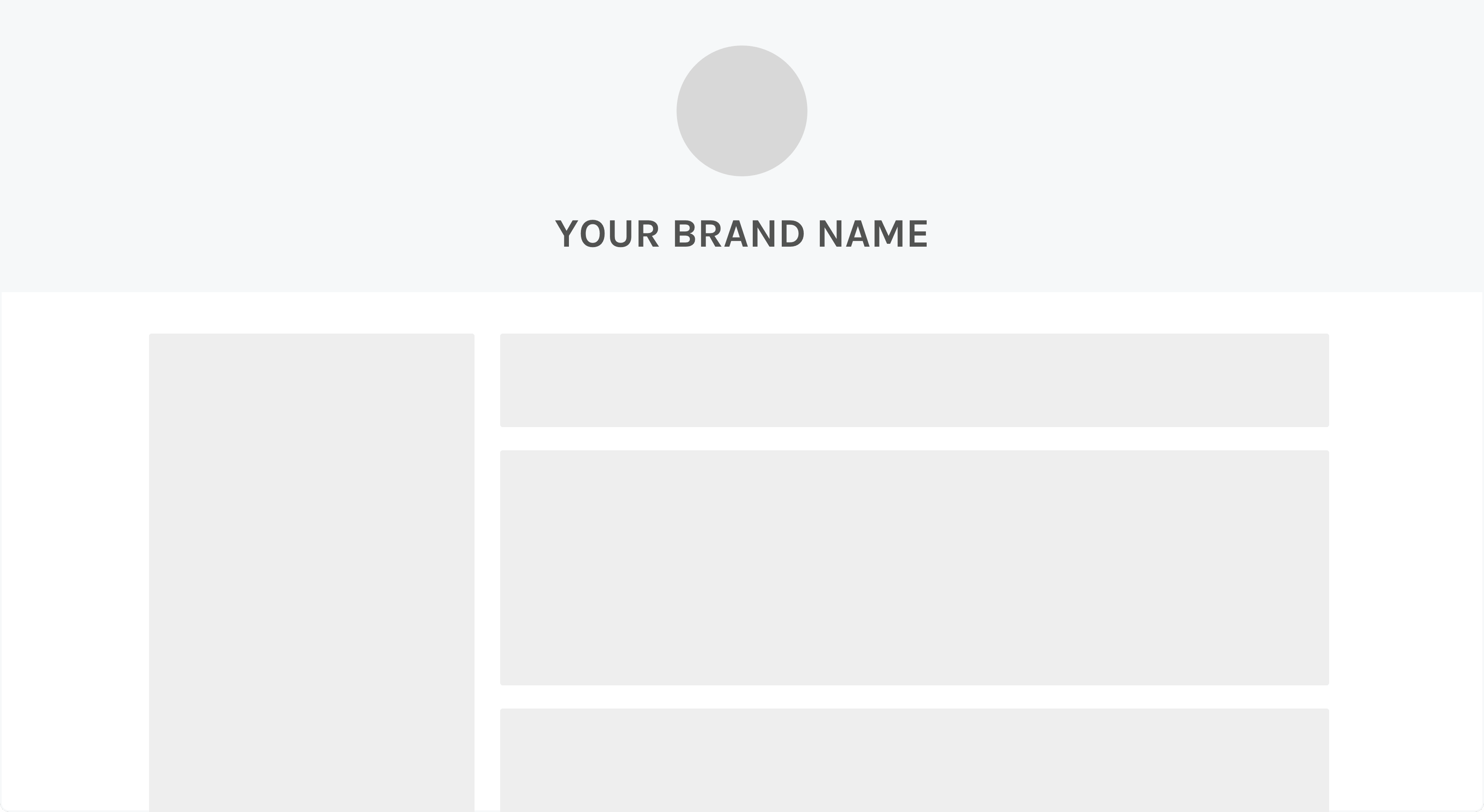
Branded Portal
Allow the agencies to create a white-labeled landing page for their campaign, with the required features. They will communicate with the influencers via email, and send them the landing page.
Pros:
Very flexible. Independent and brand oriented.
Cons:
A bit cumbersome and not realistic. Hard to teach and maintain.
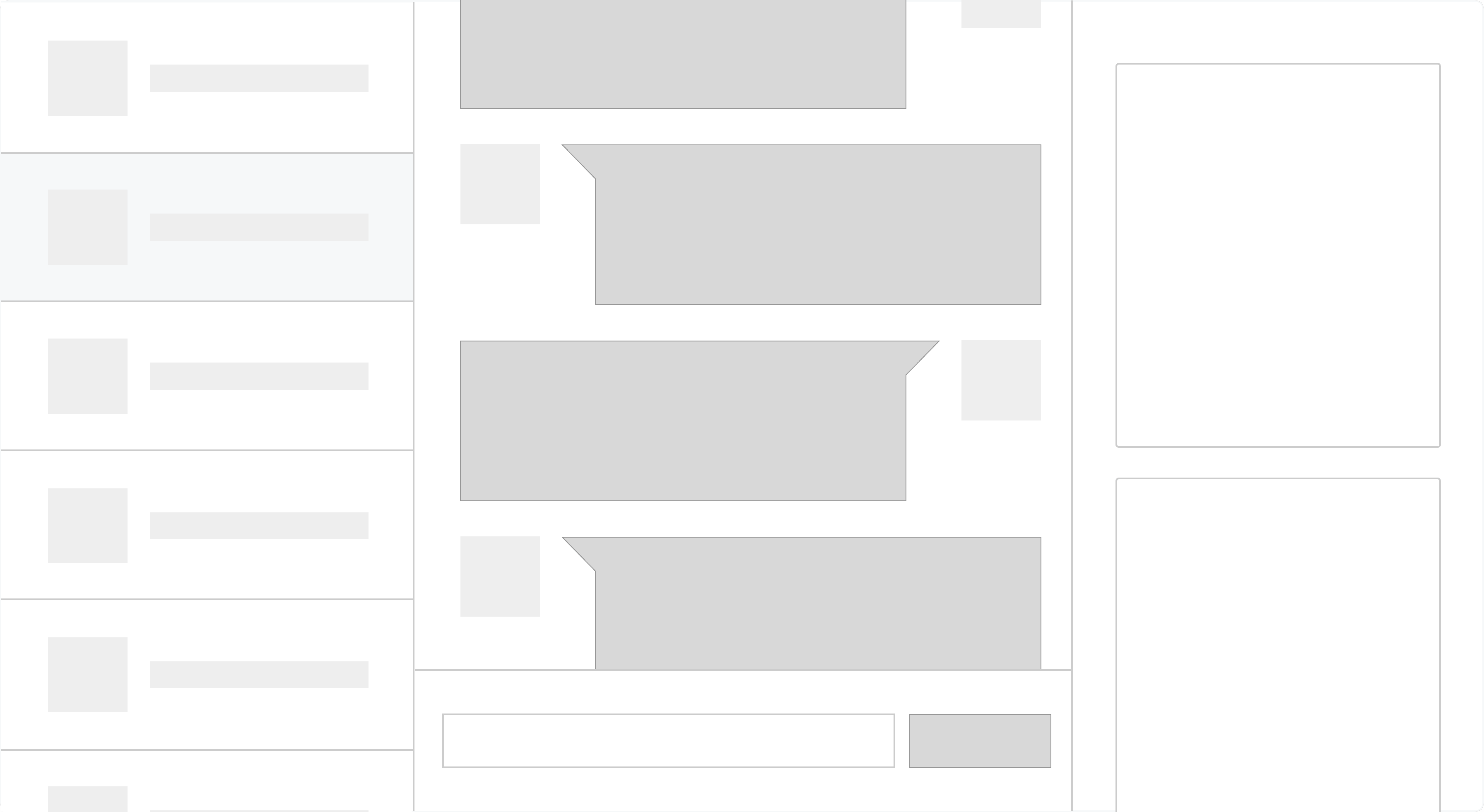
Chat
A chat-like interface that centralizes all commnications and tools in one hub. The clients will manage every contact they make, via Klear or email, through one messaging app.
Pros:
Personal communication first. Human-centered approach.
Cons:
Harder to create and send mass messages.
End Product
TL;DR The social campaign management messenger

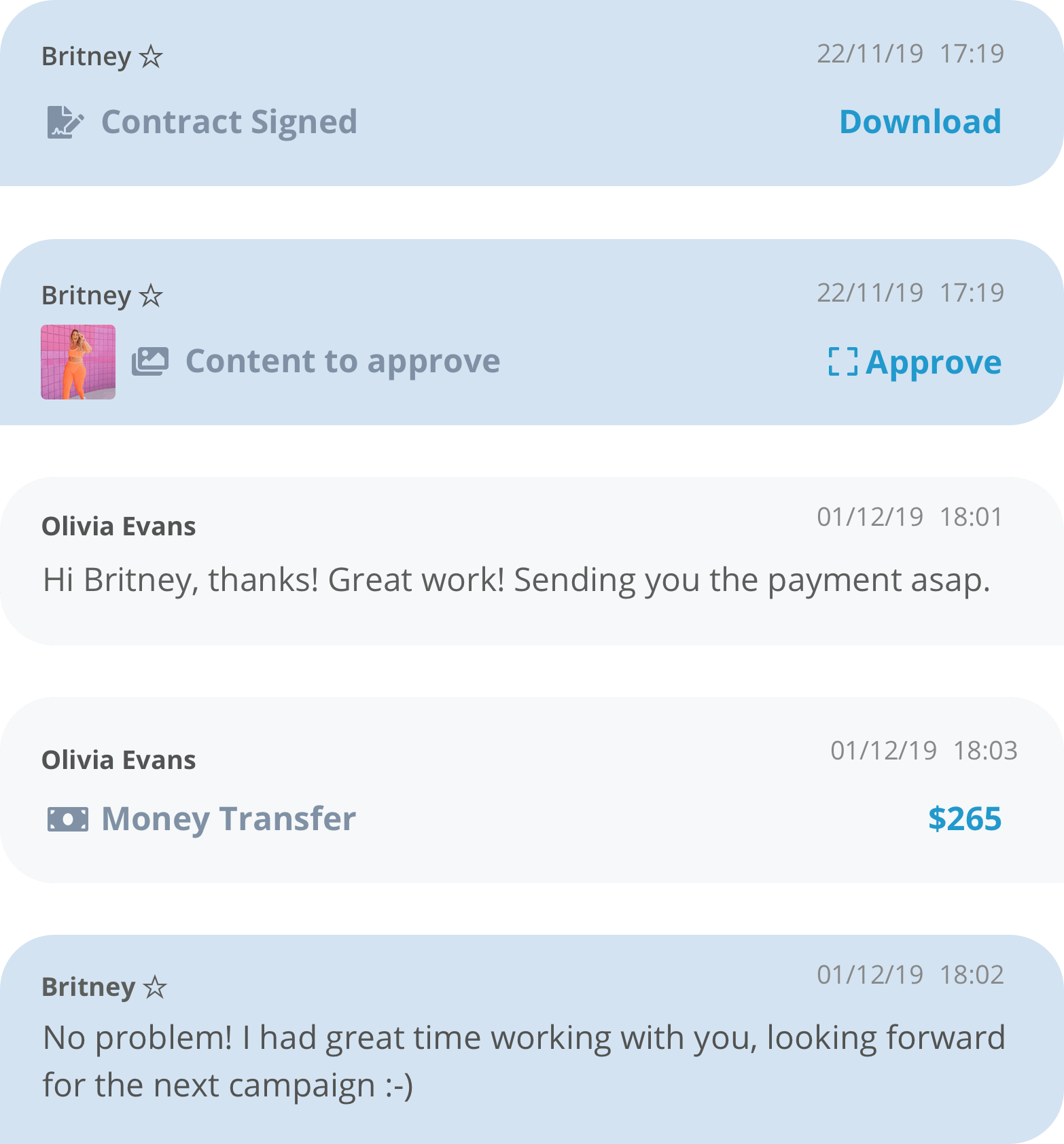
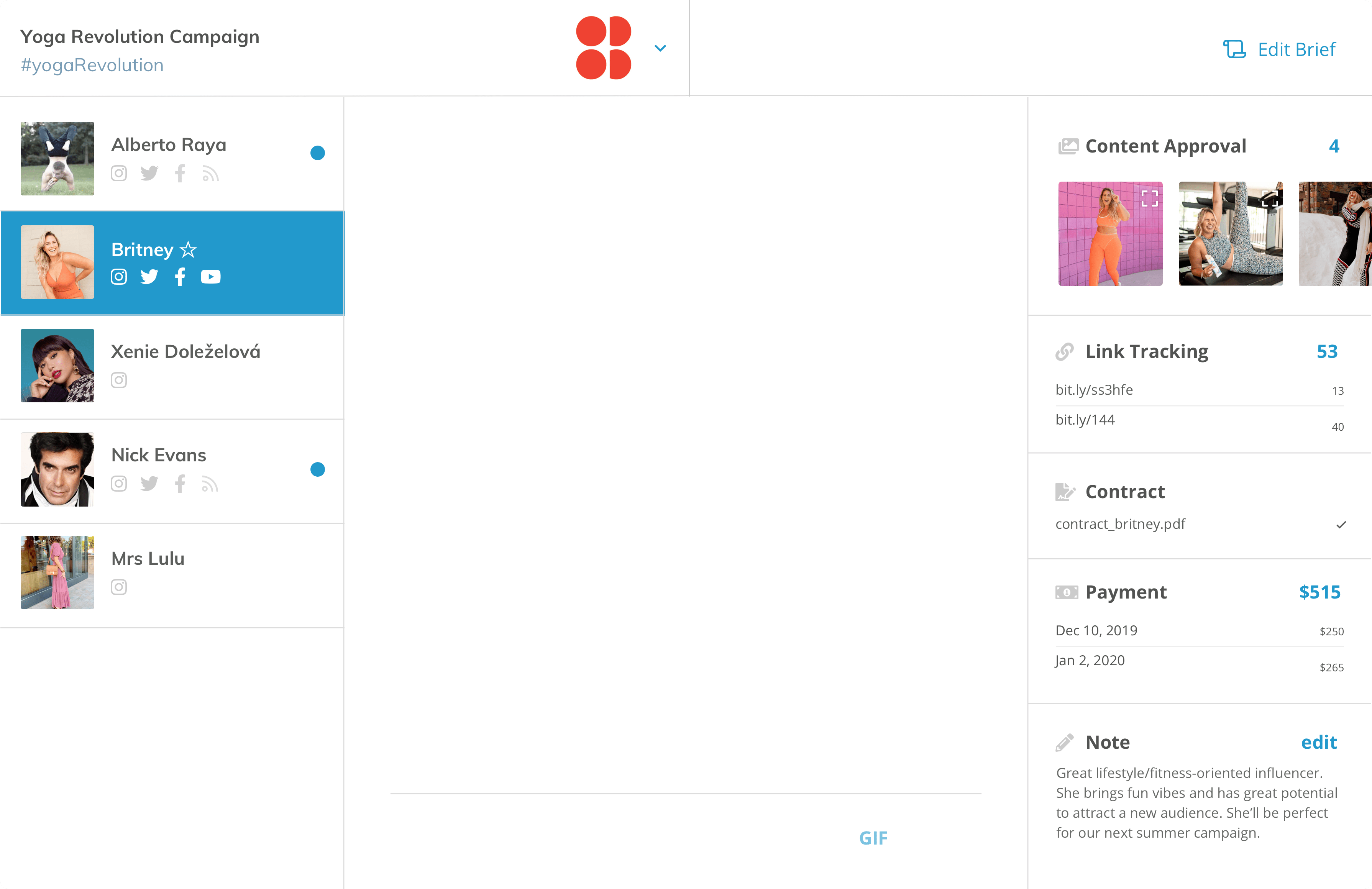
Influencers List
On the left, the users can see the influencers' status, and select one or many influencers they want to communicate with.
Feed
The center presents the feed, or the campaign history log. Here the user can see all previous interactions and attachments sent and received.
Tool Box
The right hand side gives quick access to all the Campaign Management features, and displays the activity and other important KPIs of the selected influencer.